What Is Digital Identity?
Digital identity refers to the collection of data that represents an individual or organization online. This includes:
Email addresses
Social media profiles
Government-issued IDs used for verification
Financial and transaction records
In today’s Web2 model, this data is typically stored in centralized servers owned by corporations or institutions. While convenient, this structure creates single points of failure and increases security risks.
How Web3 Changes the Identity Model
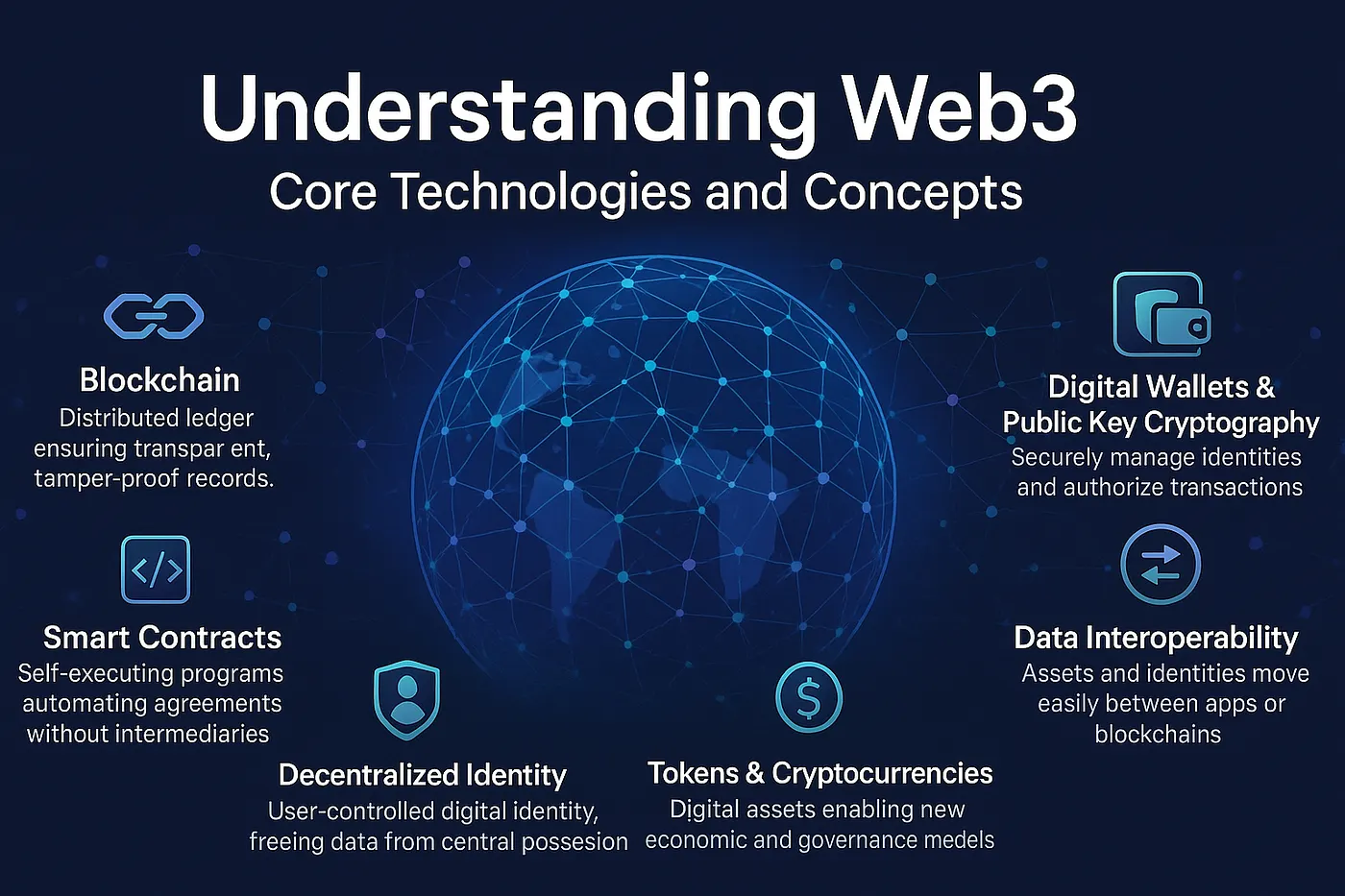
Web3 introduces decentralization through blockchain technology and cryptographic systems. Instead of relying on centralized authorities, users gain direct control over their digital credentials.
This shift enables:
Self-sovereign identity (SSI) – Users own and manage their identity data.
Selective disclosure – Share only the information required, nothing more.
Tamper-proof verification – Blockchain ensures data integrity and transparency.
Rather than logging in with a password stored on a company server, authentication can occur via cryptographic keys controlled entirely by the user.
Key Benefits of Blockchain-Based Identity
🔐 Enhanced Security
Blockchain-based identity reduces large-scale data breaches by eliminating centralized databases filled with sensitive user information.
👤 User Control
Individuals decide who can access their information and for how long.
🌍 Global Accessibility
A decentralized identity can function across borders without being tied to a specific institution.
⚡ Faster Verification
Identity verification processes in finance, healthcare, and government services can become significantly more efficient.
Real-World Applications
Financial Services
Reduces fraud and simplifies Know Your Customer (KYC) processes.
Healthcare Systems
Protects sensitive patient data while allowing secure data sharing between providers.
Education & Certifications
Digital diplomas and certificates can be verified instantly without intermediaries.
Government Services
Improves digital public infrastructure and citizen access to services.
Challenges Ahead
Despite its promise, decentralized identity adoption still faces obstacles:
Regulatory uncertainty in many countries
User responsibility in managing private keys
Integration challenges with existing systems
Limited mainstream awareness
However, as blockchain infrastructure matures and user interfaces improve, these barriers are gradually being addressed.
Conclusion
Digital identity is one of the most critical components of the internet. In the Web3 era, identity is shifting from platform-controlled accounts to user-owned credentials. This transformation has the potential to create a more secure, transparent, and user-centric digital world.
The question is no longer if digital identity will change—but how fast the transformation will happen.